01 / SENSE
Detect movement
Depth and thermal sensing identify anonymous movement through an entrance or defined zone.
Palera is building sensing hardware that anonymously counts people and turns traffic into clear operational decisions—without facial recognition.
The product is designed to collect only what operators need: counts, direction, occupancy, and patterns over time.
Depth and thermal sensing identify anonymous movement through an entrance or defined zone.
The device classifies entry and exit events locally without creating a facial identity.
A focused dashboard translates traffic into staffing, attendance, utilization, and peak-period insights.
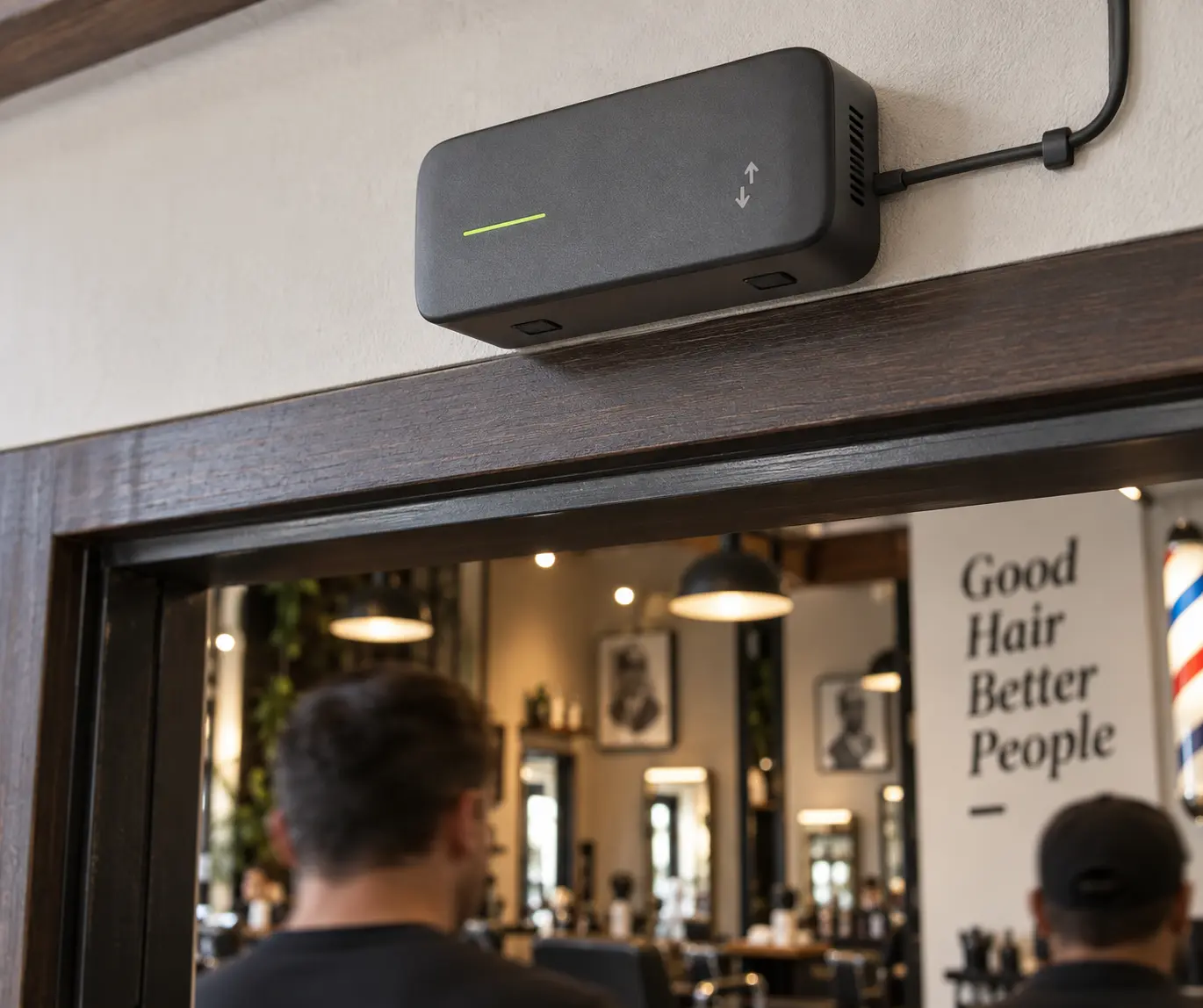
The planned enclosure mounts above an entrance so the sensing field can classify directional movement while staying out of the way of customers and staff.
Concept visualization. Final enclosure and sensor configuration may change after testing.
Palera begins with smaller spaces where installation is practical and traffic data can change a decision quickly.
Understand when guests arrive, how traffic changes by daypart, and whether staffing lines up with real demand—without putting cameras on customers.
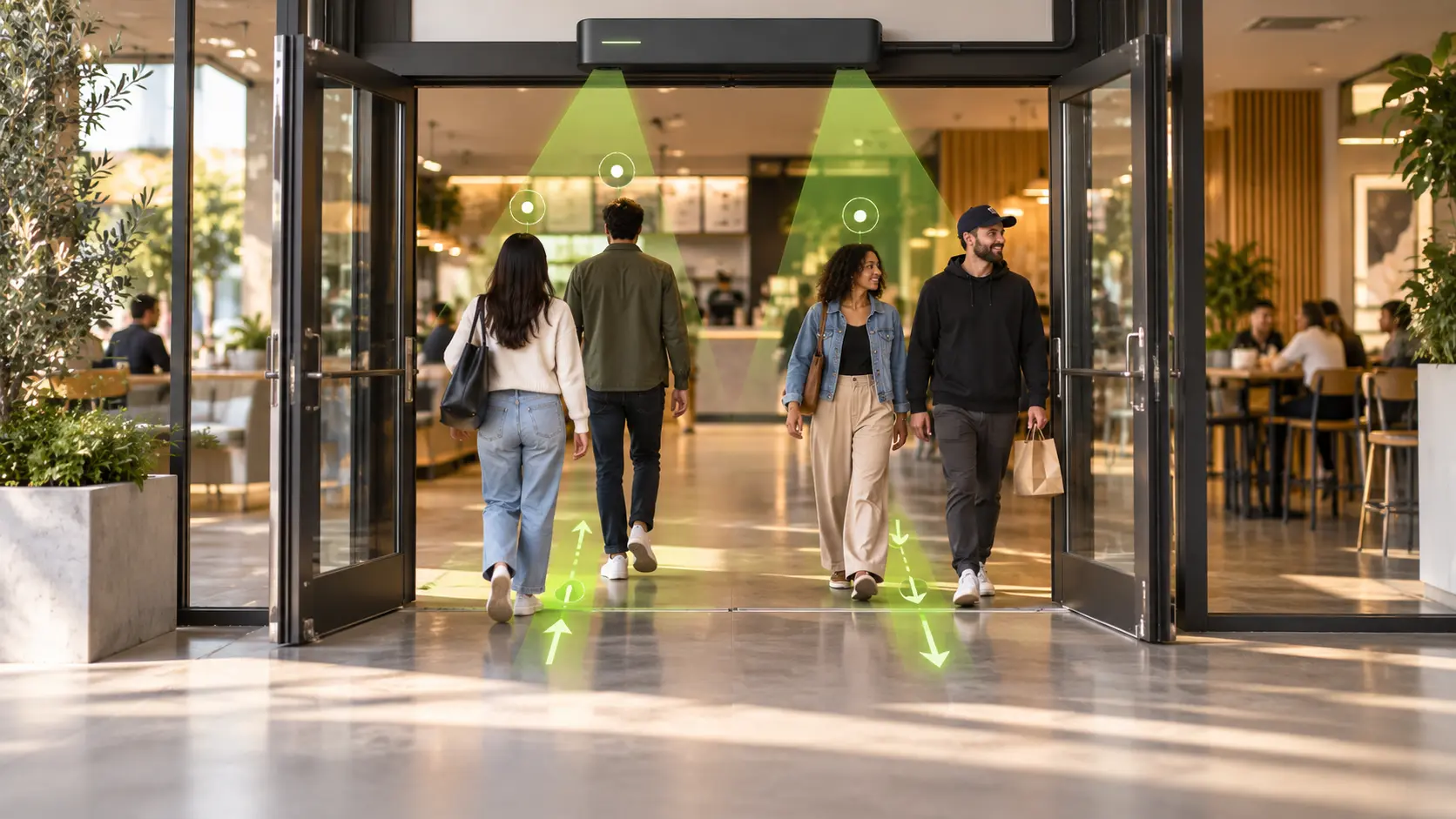 Restaurant deployment concept
Palera’s dashboard is designed to move beyond a door count by connecting traffic patterns to capacity, staffing, and space decisions.

Palera’s product direction is intentionally different from camera analytics. The system is being designed to process anonymous spatial signals at the device and send operational counts—not faces—to the dashboard.
The product does not need to know who someone is to understand how a space is used.
Raw sensor information is intended to be interpreted on the device before useful metrics leave it.
Counts, direction, occupancy, and trends give teams value without building identity profiles.
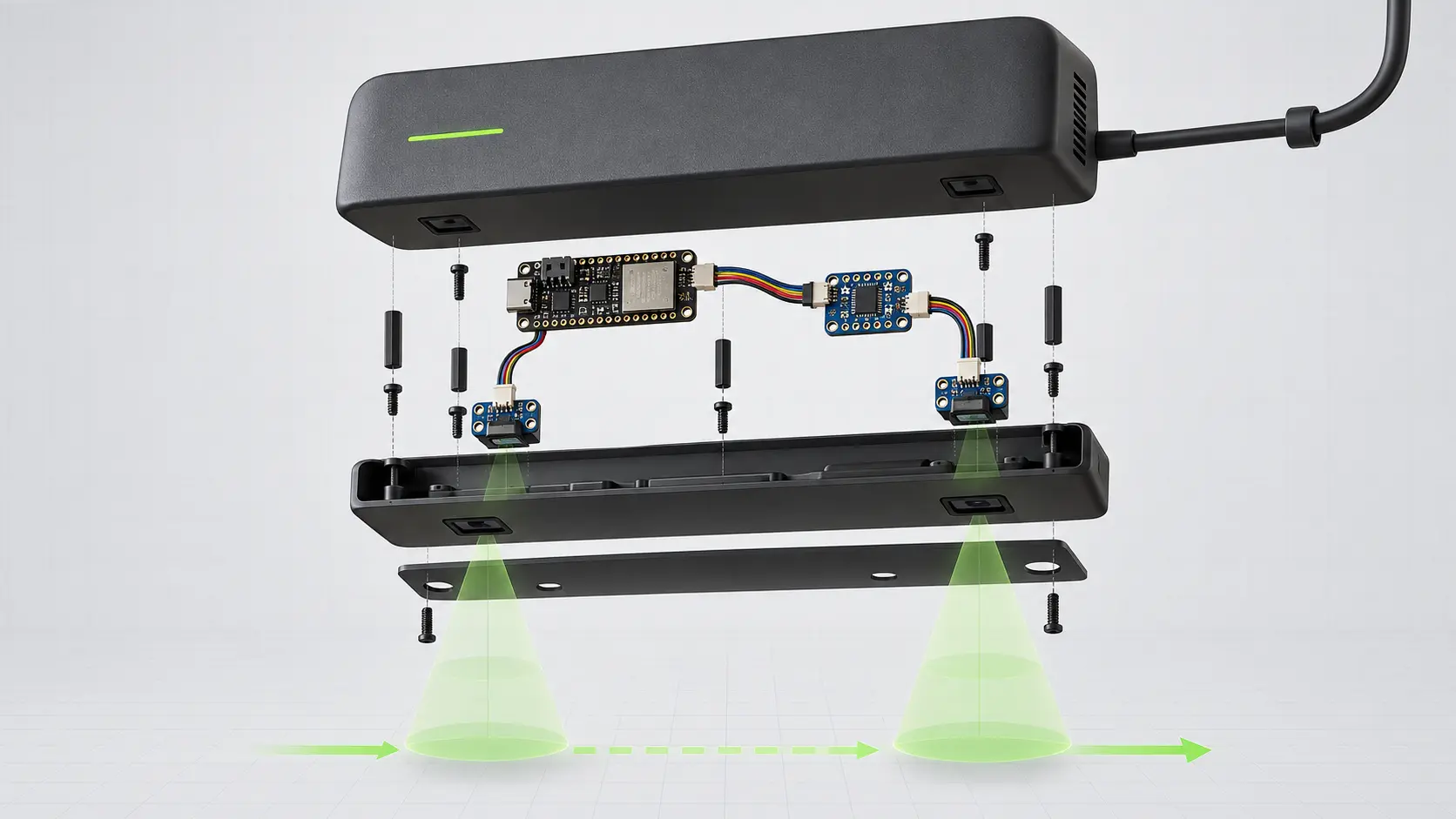 PLANNED ENCLOSURE / CONCEPT VISUALIZATION
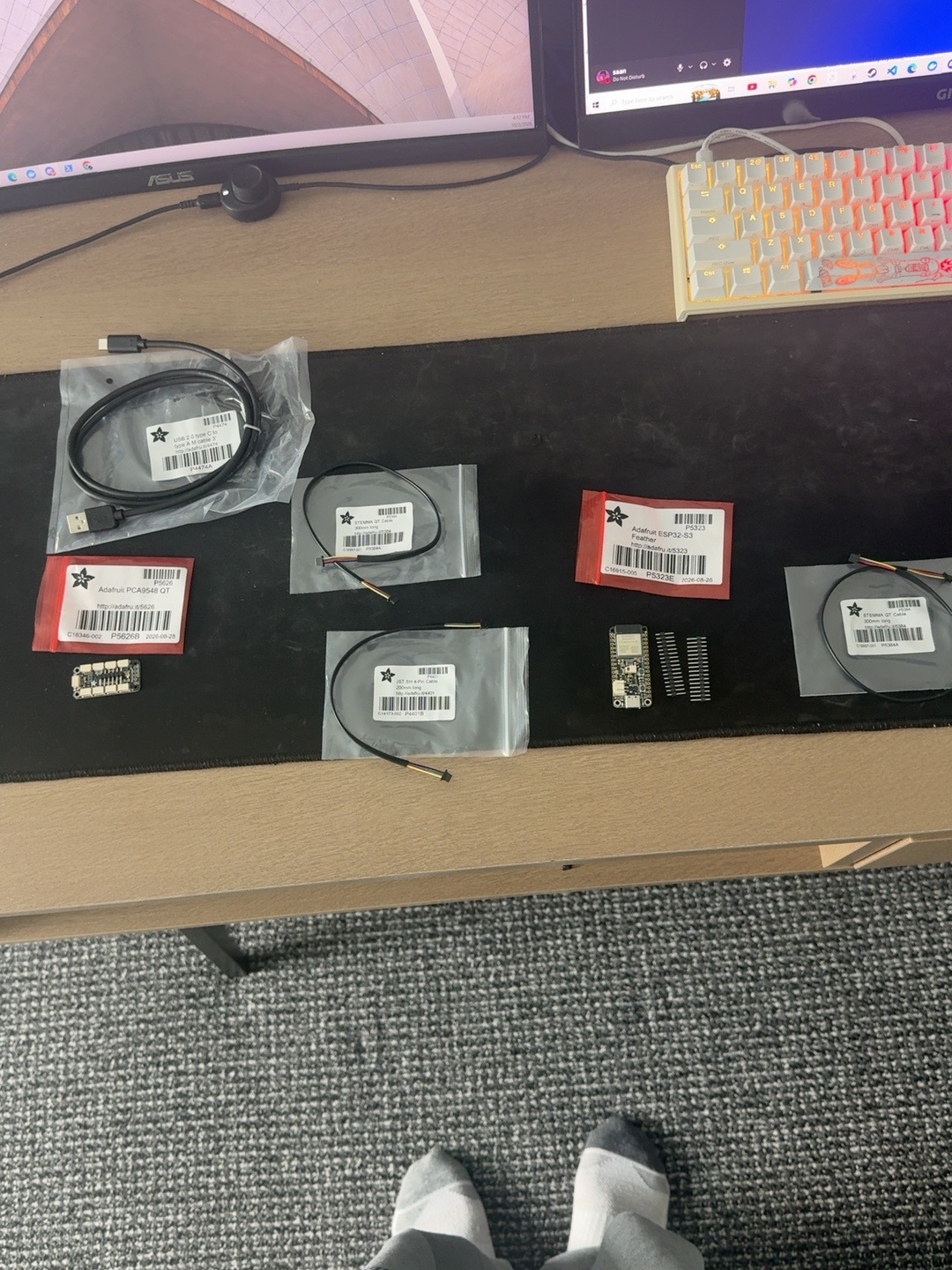 EARLY HARDWARE PROTOTYPE / OCT 2026
Palera is in active prototype development. The controller and sensor multiplexer are powered, connected, and communicating. The next milestone is integrating the first people-detection sensor and validating entry and exit logic in a real doorway.
A starting pilot combines the installed sensing device with access to traffic and occupancy analytics. Final pricing will depend on doorway width, sensor configuration, and number of locations.
We are preparing early pilots with restaurants and university spaces that want better traffic data without adding facial recognition.
Palera is prioritizing straightforward entrances where traffic changes staffing, attendance, or capacity decisions.